Noise cancelling has become a very familiar term today. It is a technology most commonly found in earphones and headphones, but in reality, noise cancelling is not a single feature with the same effect across all products. There are different types of noise cancelling, as well as manufacturer-specific implementations, and the actual performance can vary significantly.
In this article, we will introduce the two most common noise cancelling technologies: Passive Noise Cancelling and Active Noise Cancelling, and explain how each one works.
Contents
- What is noise cancelling?
- The difference between passive noise cancelling and active noise cancelling
What Is Noise Cancelling?
Noise cancelling, as the name suggests, is a technology that cancels out (reduces) surrounding noise when wearing earphones or headphones. It is often used when you want to immerse yourself in music without being disturbed by environmental noise, or when you want to concentrate while working or studying.
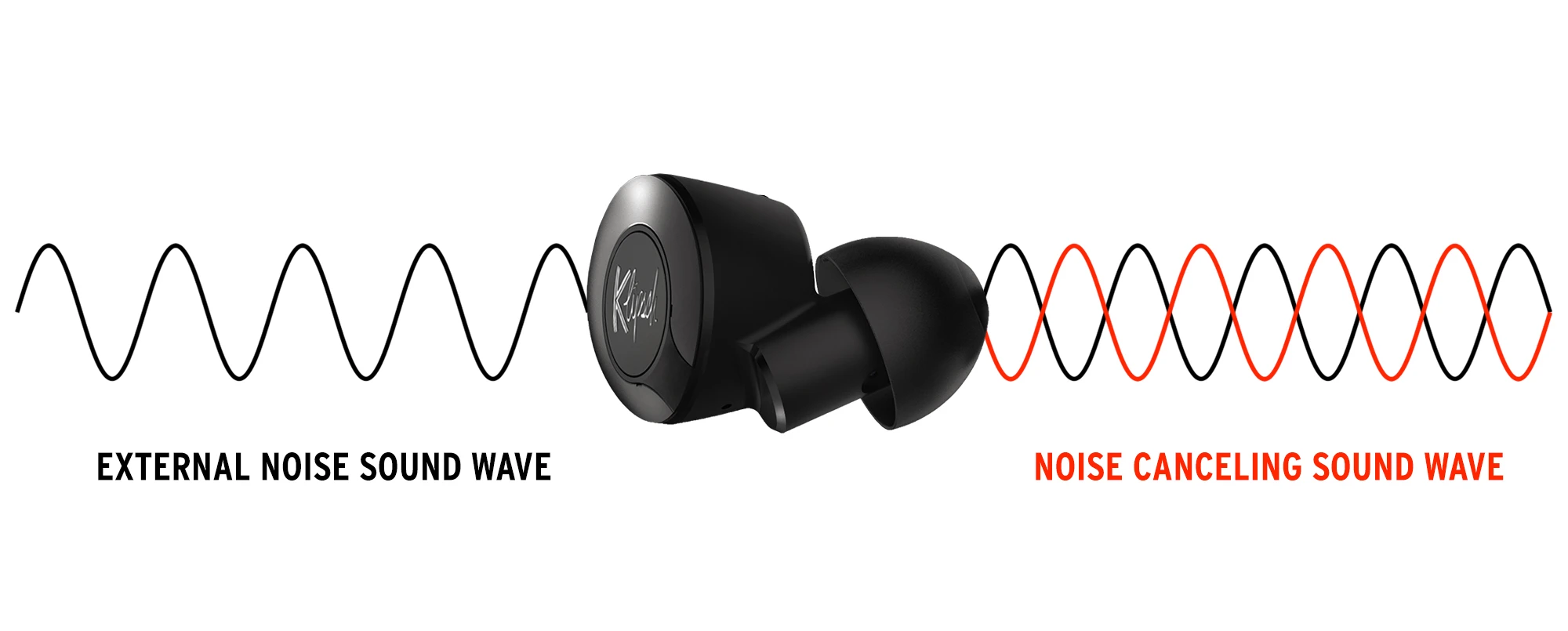
▲ Illustration of active noise cancelling technology, where external noise is countered by an opposing sound wave generated by the earbud, effectively reducing unwanted sound and allowing clearer audio playback.
Another benefit is that you can hear audio clearly without turning the volume up too high. This helps reduce sound leakage and is also easier on your ears, making noise cancelling a more comfortable option for long listening sessions.
The Difference Between Passive and Active Noise Cancelling
There are two main types of noise cancelling technologies. One is Passive Noise Cancelling (PNC), and the other is Active Noise Cancelling (ANC). These two methods are based on completely different mechanisms.
If you purchase a product without understanding the difference, you may not get the noise reduction you expected and end up disappointed. For that reason, we’ll explain the characteristics and structure of each type below.
Passive Noise Cancelling (PNC)
Passive Noise Cancelling works by physically preventing noise from reaching your ears. Since sound spreads through the air as invisible vibrations, PNC creates a physical barrier using the materials and shape of ear tips or ear pads to block external noise.
This method provides constant noise reduction and does not rely on digital processing, which means it does not consume battery power. However, the higher the level of sound isolation, the harder it becomes to hear surrounding sounds, which may require you to remove your earphones or headphones when awareness is needed.
Active Noise Cancelling (ANC)
While passive noise cancelling blocks sound physically, Active Noise Cancelling (ANC) reduces noise through digital processing. ANC generates sound waves that are the exact opposite phase of the unwanted noise. By producing these inverse sound waves, the noise cancels itself out, allowing only the audio you want to hear to remain.
Soundcore true wireless earbuds equipped with Ultra Noise Cancelling combine ANC with environmental modes controlled through the Soundcore app. This system detects surrounding noise and automatically switches the strength of noise cancelling based on the environment.

▲ Illustration of active noise cancelling technology. Incoming noise is neutralized by opposing sound waves, resulting in clearer sound.
It’s worth noting that cVc 8.0 noise cancelling is a different technology altogether. cVc focuses on removing surrounding noise from microphone input during calls, and is completely unrelated to Active Noise Cancelling (ANC) or Passive Noise Cancelling (PNC).